

Soundproofing often gets a bad rap, with plenty of myths floating around about what really works. If you’ve ever tried to block out noise, you might have heard all sorts of advice that just doesn’t hold up. In this article, we’ll tackle some of the common misconceptions about soundproofing, break down the differences between soundproofing and sound absorption, and highlight effective solutions for both homes and commercial spaces. Plus, we’ll explore the role of professional acoustic treatment, especially in places like Perth. Let’s set the record straight and find out what truly makes a difference when it comes to soundproofing.
Key Takeaways
- Soundproofing is not the same as sound absorption; they serve different purposes.
- Common myths include the effectiveness of egg cartons and basic foam for soundproofing.
- Heavy curtains might help a bit, but they’re not a magic solution for noise issues.
- Effective soundproofing involves using proper insulation materials and sealing gaps.
- Professional acoustic treatment can provide significant long-term benefits, especially in commercial settings.
Understanding Soundproofing Versus Sound Absorption
Defining Soundproofing
Soundproofing, at its core, is about stopping sound from getting through a barrier. Think of it like building a fortress against noise. It’s not just about reducing the volume; it’s about preventing sound from travelling from one space to another. How effective is window soundproofing? Well, it depends on the approach. A truly soundproofed room would ideally be isolated, preventing sound waves from escaping or entering. This often involves dense materials, airtight seals, and careful construction to minimise any vibrations that could transmit sound. It’s about creating a barrier that sound waves simply can’t penetrate.
What Is Sound Absorption?
Sound absorption, on the other hand, is about managing the sound within a space. Instead of blocking sound, it aims to reduce echoes and reverberations, making the environment more acoustically comfortable. Imagine a large, empty hall – sound bounces around, creating a chaotic echo. Sound-absorbing materials, like acoustic panels or specialised foam, soak up these sound waves, preventing them from reflecting and creating that echoey effect. This doesn’t stop sound from leaving the room, but it does improve the quality of sound within it. It’s about making a space sound clearer and less noisy, even if the overall volume remains the same.
Key Differences Explained
It’s easy to confuse soundproofing and sound absorption, but they serve very different purposes. Soundproofing blocks sound transmission, while sound absorption manages sound reflexion. Here’s a simple breakdown:
- Soundproofing aims to create a barrier to stop sound.
- Sound absorption aims to reduce echoes and reverberation within a space.
- Soundproofing often involves dense, heavy materials.
- Sound absorption uses porous, soft materials.
- Soundproofing is ideal for preventing noise from entering or leaving a room.
- Sound absorption is ideal for improving the acoustic quality of a room.
Think of it this way: soundproofing is like building a wall, while sound absorption is like putting carpet on the floor. One stops sound from travelling, the other makes the sound that’s already there less annoying. Understanding this difference is the first step in tackling any noise issue, whether it’s in your home, office, or industrial space. Choosing the right approach depends entirely on what you’re trying to achieve – blocking noise or improving sound quality.
Common Myths About Soundproofing
There are a lot of soundproofing myths floating around, especially when it comes to DIY solutions. Let’s debunk some of the most common ones and see what actually works.
Egg Cartons Are Effective
This is probably the most widespread myth. The idea is that egg cartons, because of their shape, will absorb sound. Unfortunately, egg cartons are not effective for soundproofing. They might slightly alter the acoustics of a room by reducing echo, but they won’t block sound from travelling through walls or ceilings. They are too thin and not dense enough to make a real difference. You’d be better off using them for an art project.
Basic Foam Works Wonders
While acoustic foam can help with sound absorption, it’s often mistaken as a soundproofing solution. Acoustic foam reduces reverberation and echo within a room, improving the clarity of sound. However, it doesn’t block sound from escaping or entering. For true soundproofing, you need dense materials that block sound waves, not just absorb them. Think of it this way: foam helps with the quality of sound inside the room, not the quantity of sound moving in or out. If you are looking for soundproof home theatre, foam is only part of the solution.
Heavy Curtains Block Noise
Heavy curtains can help a little with sound absorption, especially high-frequency sounds. However, they are not a substitute for proper soundproofing. They might dampen some noise, but they won’t significantly reduce sound transmission. For example, they might soften the sound of traffic, but you’ll still hear it. To really block noise, you need dense materials and airtight seals. When considering myths about DIY soundproofing, this is a common one.
It’s important to understand the difference between sound absorption and soundproofing. Absorption reduces echoes and reverberations within a space, while soundproofing blocks sound from entering or leaving a space. Many DIY solutions focus on absorption but fail to address the core principles of soundproofing, which involve mass, density, and airtight seals.
Effective Soundproofing Solutions for Homes

Soundproofing your home doesn’t have to be a massive, overwhelming project. There are plenty of effective solutions you can implement, ranging from simple DIY fixes to more involved renovations. Let’s explore some options to help you achieve a quieter and more peaceful living environment.
Insulation Materials That Work
When it comes to soundproofing, insulation is your best mate. But not all insulation is created equal. Here’s what to look for:
- Fibreglass Insulation: A common and relatively affordable option. It helps to dampen sound waves travelling through walls and ceilings.
- Rockwool (Mineral Wool): Denser than fibreglass, rockwool offers superior sound absorption properties. It’s a great choice for internal walls and floors.
- Acoustic Insulation Batts: Specifically designed for soundproofing, these batts are engineered to maximise noise reduction. They’re often made from recycled materials, making them an environmentally friendly choice.
Choosing the right insulation can significantly reduce noise transfer between rooms and from outside. Consider the specific needs of each area in your home when selecting insulation materials.
Acoustic Panels and Their Benefits
Acoustic panels are a fantastic way to absorb sound within a room, reducing echo and reverberation. They’re particularly useful in home theatres, music rooms, or any space where sound quality is important. You can even explore music room soundproofing for optimal results.
- Wall Panels: These are typically fabric-covered panels that you mount on your walls. They come in various sizes, shapes, and colours to suit your decor.
- Corner Bass Traps: Designed to absorb low-frequency sounds, bass traps are placed in the corners of a room to improve bass response.
- Ceiling Clouds: Suspended from the ceiling, these panels help to absorb sound that would otherwise bounce around the room.
Acoustic panels work by absorbing sound energy, preventing it from reflecting off hard surfaces. This leads to a clearer and more defined sound, making your space more enjoyable.
Sealing Gaps and Cracks
One of the most overlooked aspects of soundproofing is sealing gaps and cracks. Sound can travel through even the smallest openings, so it’s important to address these areas.
- Weatherstripping: Apply weatherstripping around doors and windows to create a tight seal.
- Acoustic Caulk: Use acoustic caulk to seal gaps around pipes, electrical outlets, and other penetrations in walls and ceilings.
- Door Seals: Install door seals to the bottom and sides of doors to prevent sound from leaking through the gaps.
By carefully sealing these gaps, you can dramatically reduce the amount of noise that enters or exits a room. It’s a simple and cost-effective way to improve your home’s soundproofing. Think of it as stopping the sound at its source! It’s like making your home a fortress against unwanted noise. You’ll be surprised at how much of a difference it makes.
Commercial Soundproofing Techniques
Soundproofing isn’t just for homes; it’s a big deal for businesses too. Whether it’s a noisy factory, a busy office, or a music venue, controlling sound is important for productivity, comfort, and even complying with regulations. Let’s look at some common techniques used in commercial settings and how Quash’s team ensures effective sound control.
Industrial Solutions for Noise Control
Industrial environments often have the toughest noise problems. Think of heavy machinery, conveyor belts, and constant activity. These sounds can create a really unpleasant – and potentially dangerous – work environment. So, what can be done?
- Enclosures: Building soundproof enclosures around noisy equipment is a common solution. These enclosures act like a barrier, trapping the sound and preventing it from spreading.
- Vibration Isolation: A lot of industrial noise comes from vibrations. Using vibration isolation mounts can reduce the amount of noise that travels through the building’s structure.
- Acoustic Barriers: These are heavy, sound-absorbing materials that can be hung or installed to block sound waves. They’re often used to separate noisy areas from quieter ones.
The key to industrial soundproofing is to identify the source of the noise and then apply the most effective solution. It might involve a combination of different techniques to get the desired result.
Acoustic Treatment Perth Options
In Perth, like any other city, businesses have specific needs and regulations when it comes to sound. Acoustic treatment in commercial spaces can range from simple fixes to complex installations. What are some common options?
- Acoustic Panels: These panels are designed to absorb sound and reduce reverberation. They come in various shapes, sizes, and colours, so they can be integrated into the design of the space.
- Bass Traps: Low-frequency sounds can be particularly problematic. Bass traps are designed to absorb these sounds, preventing them from building up in corners and causing a boomy effect.
- Soundproof Curtains: For windows or doorways, soundproof curtains can provide an extra layer of sound insulation. They’re especially useful in spaces where you need to block out external noise.
The right acoustic treatment can make a huge difference in the comfort and functionality of a commercial space.
Design Considerations for Offices
Open-plan offices are popular, but they can also be noisy. Conversations, phone calls, and keyboard clicks can all contribute to a distracting environment. So, how can you design an office to minimise noise?
- Layout: Consider the layout of the office. Placing noisy areas (like the break room or printer area) away from quiet zones can help.
- Materials: Use sound-absorbing materials throughout the office. Carpet, acoustic ceiling tiles, and fabric-covered walls can all help to reduce noise.
- Privacy Booths: These are small, enclosed spaces where employees can take phone calls or work on tasks that require concentration. They provide a quiet and private environment.
Quash soundproofing can help create a more productive and comfortable workspace by carefully considering these design elements. It’s about creating a balance between open collaboration and focused work.
The Role of Professional Acoustic Treatment
While DIY soundproofing can help, sometimes you need the pros. Knowing when to call in experts can save you time, money, and a whole lot of frustration. Let’s look at why professional acoustic treatment is worth considering.
Why Hire Experts for Soundproofing?
DIY soundproofing has its limits. Professionals bring a level of knowledge and experience that’s hard to match. Here’s why you might need them:
- Accurate Assessment: Experts can properly assess your space to identify the specific noise issues and how sound travels. They understand things like flanking paths (where sound goes around barriers) that you might miss.
- Tailored Solutions: Instead of generic fixes, they design solutions specific to your needs and budget. This means you’re not wasting money on things that won’t work.
- Technical Knowledge: Professionals understand understanding STC and acoustic ratings, materials, and installation techniques. They know how to maximise sound reduction.
- Compliance: For commercial spaces, there are often regulations around noise levels. Experts ensure you meet these standards.
Hiring a professional acoustic consultant is like getting a tailored suit instead of buying off the rack. It fits better, looks better, and lasts longer.
Case Studies of Successful Projects
Real-world examples show the value of professional soundproofing. Here are a couple:
- Home Theatre: A homeowner tried DIY soundproofing for their home theatre, but still had sound leaking into other rooms. An acoustic consultant identified flanking paths and recommended specific treatments, resulting in a significant noise reduction.
- Office Space: A company was struggling with noise distractions in their open-plan office. An acoustic firm installed acoustic panels and adjusted the layout, improving employee productivity and reducing stress.
Long-Term Benefits of Professional Treatment
Investing in professional soundproofing offers benefits that go beyond just reducing noise. Here are some long-term advantages:
- Increased Property Value: Effective soundproofing can make your home or commercial space more attractive to buyers or renters.
- Improved Comfort and Productivity: A quieter environment leads to less stress, better sleep, and increased focus.
- Reduced Energy Costs: Some soundproofing materials also provide insulation, helping to lower your energy bills.
- Compliance and Peace of Mind: Knowing your space meets noise regulations and provides a comfortable environment is worth the investment. If you’re in Western Australia, consider looking into acoustic treatment Perth options to find local specialists.
Innovative Technologies in Soundproofing
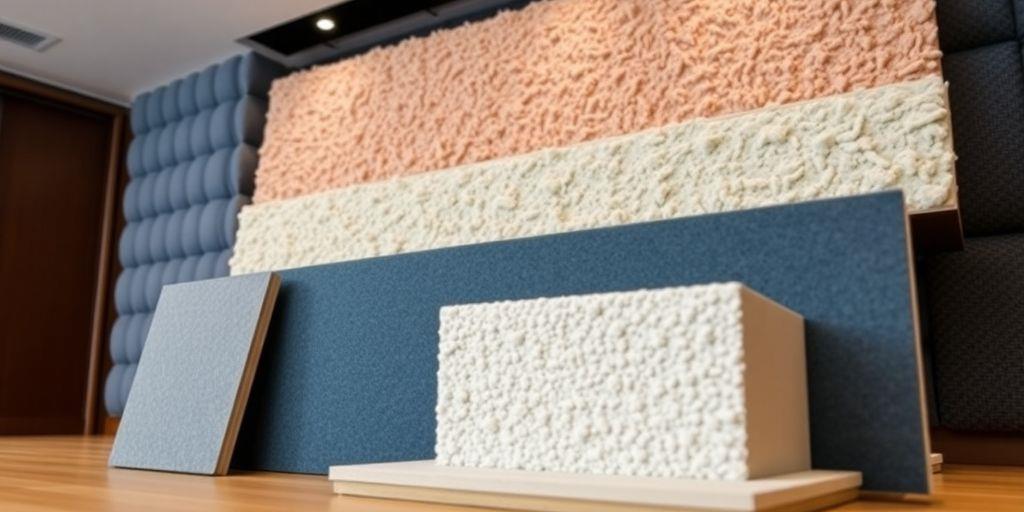
Soundproofing tech is moving fast. It’s not just about slapping up some foam anymore. We’re seeing some seriously cool stuff that’s changing how we think about noise control. Let’s have a look at some of the latest developments.
Emerging Materials and Techniques
Forget what you think you know about soundproofing materials. There’s a new wave of stuff hitting the market that’s way more effective than the old standbys. We’re talking about:
- Metamaterials: These are artificially structured materials designed to manipulate sound waves in ways that natural materials can’t. Imagine materials that can bend sound around an object or completely block it out. Crazy, right?
- Aerogels: Super lightweight and incredibly porous, aerogels are amazing insulators – both thermally and acoustically. They’re still a bit pricey, but they offer incredible performance in a small package.
- Vibration Damping Compounds: These are applied to surfaces to reduce vibrations, which in turn reduces noise. They’re perfect for things like machinery or even car panels.
The key to these new materials is that they’re designed at a microscopic level to interact with sound waves in specific ways. This allows for much greater control over noise than traditional materials.
Smart Soundproofing Solutions
Soundproofing isn’t just about physical barriers anymore; it’s getting smart. Here’s how:
- Active Noise Control (ANC): You’ve probably seen this in headphones, but it’s making its way into larger spaces. ANC uses microphones to detect unwanted noise and then generates an opposing sound wave to cancel it out. It’s like magic, but with science.
- Adaptive Acoustic Panels: These panels can adjust their sound absorption properties based on the noise levels in a room. Imagine a panel that absorbs more sound when it’s noisy and less when it’s quiet. Pretty neat, huh?
- Smart Home Integration: Integrating soundproofing with your smart home system allows you to control noise levels throughout your house with the touch of a button. You could set up different sound profiles for different times of day or activities.
Future Trends in Acoustic Treatment
So, what’s next for soundproofing? Here are a few trends to keep an eye on:
- Biophilic Acoustics: This is all about incorporating natural elements into acoustic design. Think living walls that absorb sound or sound-masking systems that mimic natural sounds like rain or wind.
- Personalised Sound Zones: Imagine being able to create a bubble of quiet around yourself, even in a noisy environment. New technologies are making this a reality, using directional sound and noise cancellation to create personal sound zones.
- Sustainable Soundproofing: As we become more aware of our environmental impact, there’s a growing demand for sustainable soundproofing solutions. This includes using recycled materials, reducing waste, and minimising the carbon footprint of acoustic treatments.
Does foam really block sound? Well, basic foam helps a little with sound absorption, but what materials actually work for true soundproofing are dense, heavy materials or these new technologies we’ve discussed. The future of soundproofing is looking pretty quiet, and that’s a good thing.
Real-Life Applications of Soundproofing
Soundproofing isn’t just a theoretical concept; it’s something that makes a tangible difference in people’s lives and businesses every day. From creating peaceful home environments to improving productivity in workplaces, the applications are incredibly diverse. Let’s look at some real-world examples where soundproofing has made a significant impact.
Residential Case Studies
Ever wondered how soundproofing actually plays out in homes? Well, it’s more common than you might think. Take, for instance, families living near busy roads. The constant traffic noise can be a real headache, affecting sleep and overall well-being. By installing double-glazed windows and using dense insulation in the walls, these homeowners can drastically reduce the amount of external noise entering their homes. This creates a much more peaceful and relaxing living environment.
Another example is apartment living. Sharing walls with neighbours often means sharing their noise too. Soundproofing solutions like acoustic panels and resilient channels can minimise noise transfer between units, leading to happier and more harmonious neighbourly relations. It’s about creating a space where you can enjoy your own activities without disturbing others, or being disturbed yourself.
Commercial Success Stories
Soundproofing isn’t just for homes; it’s a game-changer for businesses too. Think about open-plan offices. While they’re designed to encourage collaboration, they can also be incredibly noisy, leading to distractions and reduced productivity. Implementing acoustic treatments like suspended baffles and sound-absorbing wall panels can significantly reduce reverberation and background noise, creating a more focused and efficient work environment.
Then there are restaurants and cafes. A noisy dining environment can ruin the entire experience for customers. By using soundproofing materials, these establishments can create a more pleasant and intimate atmosphere, encouraging customers to stay longer and spend more. It’s all about creating the right ambience.
Lessons Learned from Various Spaces
So, what have we learned from all these real-world applications? Here are a few key takeaways:
- Assess the Noise Source: Understanding where the noise is coming from is the first step. Is it airborne noise (like traffic) or impact noise (like footsteps)?
- Choose the Right Materials: Different materials have different soundproofing properties. Dense materials like mass-loaded vinyl are good for blocking noise, while absorbent materials like acoustic foam are good for reducing reverberation.
- Seal Gaps and Cracks: Even the smallest gaps can let noise through. Sealing windows, doors, and other openings is crucial for effective soundproofing.
Ultimately, soundproofing is about creating spaces that are comfortable, functional, and conducive to the activities that take place within them. Whether it’s a quiet home, a productive office, or a relaxing restaurant, the benefits of effective soundproofing are undeniable. It’s an investment in well-being and quality of life.
Here’s a quick table summarising some common soundproofing applications and their benefits:
| Application | Problem | Solution | Benefit |
| Home near busy road | Traffic noise | Secondary or Double glazed windows, wall insulation | Reduced noise, better sleep |
| Apartment living | Noise from neighbours | Acoustic panels, resilient mounts and secondary walls | Increased privacy, harmonious living |
| Open-plan office | Distracting background noise | Acoustic baffles, wall panels | Improved focus, increased productivity |
| Restaurant/Cafe | Noisy dining environment | Soundproofing materials | Pleasant atmosphere, happy customers |
Soundproofing is super useful in many everyday situations. For example, it helps people who work from home stay focused by blocking out noise from outside. It’s also great for musicians who want to practice without bothering their neighbours. If you want to learn more about how soundproofing can help you, check out our website for tips and ideas!
Wrapping It Up: The Truth About Soundproofing
So, there you have it. Soundproofing isn’t just about slapping some foam on the walls or hanging up egg cartons. It’s a bit more complex than that. We’ve busted some myths and hopefully cleared up what really works when it comes to keeping the noise out. Whether you’re in a busy city flat or a quiet suburban home, knowing the difference between soundproofing and sound absorption is key. If you’re serious about reducing noise, it’s worth investing in proper solutions. Quash is here to help with proven methods that actually make a difference. Remember, a peaceful home is within reach, but it takes the right approach to get there.
Frequently Asked Questions
What is the difference between soundproofing and sound absorption?
Soundproofing is about blocking noise from entering or leaving a space, while sound absorption reduces echo and reverb within a room.
Are egg cartons good for soundproofing?
No, egg cartons are not effective for soundproofing. They can help with sound absorption but won’t block noise.
Can basic foam panels stop all noise?
Basic foam panels do help reduce echo, but they don’t completely stop noise from coming in or going out.
Do heavy curtains really block noise?
Heavy curtains can help reduce noise, but they are not a complete solution for soundproofing a room.
What materials are best for soundproofing a home?
Materials like mass-loaded vinyl, acoustic panels, heavy plasterboard and insulation specifically designed for soundproofing work best.
Why should I hire a professional for soundproofing?
Hiring a professional ensures that the right materials and techniques are used, leading to better results and long-term benefits.