
In today’s fast-paced work environment, noise can be a major distraction, impacting both productivity and employee wellbeing. Soundproofing offices is becoming increasingly important as companies recognise the need for quiet spaces that allow for focus and collaboration. This article explores the significance of effective noise reduction solutions in the workplace and how they can lead to a more productive and healthier work atmosphere.
- Soundproofing boosts employee focus and reduces distractions.
- Improved mental health is linked to quieter work environments.
- Effective communication is enhanced when noise levels are controlled.
- Tailored soundproofing solutions can fit any office layout.
- Investing in sound management can lead to long-term business benefits.
Understanding The Importance Of Office Soundproofing
In today’s fast-paced work environment, noise can be a real productivity killer. It’s not just about being a bit distracted; it’s about the overall impact on how we work and feel. Let’s look at why office soundproofing is so important.
Impact On Employee Focus
Ever tried to concentrate when someone’s having a loud phone call nearby? It’s tough, right? Constant noise disrupts our ability to focus, leading to decreased productivity and more errors. When employees can’t concentrate, they take longer to complete tasks, and the quality of their work suffers. It’s not just about the big noises either; even background chatter can be a major distraction. Think about how much better you could work in a quiet environment.
Benefits For Mental Health
It’s easy to overlook the mental health aspect, but noise pollution can seriously affect wellbeing. High noise levels can lead to increased stress, anxiety, and even burnout. Sound management in the workplace isn’t just a perk; it’s a necessity for creating a healthy and supportive environment. When people feel less stressed, they’re more likely to be engaged and productive. A quieter office can make a huge difference in overall morale.
Enhancing Communication
Have you ever struggled to hear someone in a meeting because of background noise? Or have you felt the need to whisper because you can hear everyone outside the room? Poor acoustics can make communication difficult, leading to misunderstandings and frustration. Soundproofing helps create clearer sound, making it easier for people to hear and understand each other. This is especially important in collaborative workspaces where clear communication is key. Better acoustics mean fewer misunderstandings and smoother teamwork.
A well-soundproofed office isn’t just about reducing noise; it’s about creating an environment where employees can thrive. It’s an investment in their wellbeing and productivity, leading to long-term benefits for the business.
Here are some benefits of sound management:
- Improved concentration
- Reduced stress levels
- Private Meetings and Conversations
- Better communication
Exploring Effective Noise Reduction Solutions
So, you’re looking to tackle the noise problem in your office? Good on ya! It’s a common issue, and thankfully, there are plenty of noise reduction solutions available. Let’s have a look at some of the best ways to create a quieter, more productive workspace.
Types Of Soundproofing Materials
Choosing the right materials is half the battle. There’s a whole range of options out there, each with its strengths. Think about what kind of noise you’re dealing with – is it mainly chatter, or is it loud machinery? That’ll help you narrow down your choices.
- Acoustic Panels: Great for absorbing sound reflections within a room. Often used in recording studios, but can be effective in smaller office spaces too.
- Mass-Loaded Vinyl (MLV): A dense, heavy material that blocks sound transmission. It’s often installed within walls or ceilings.
- Soundproof Curtains: A simple and relatively inexpensive way to reduce noise from windows. Look for thick, multi-layered curtains.
- Acoustic Insulation: Commonly used in walls and ceilings to provide both thermal and acoustic insulation.
Acoustic Panels And Their Benefits
Acoustic panels are a popular choice for offices, and for good reason. They’re designed to absorb sound waves, reducing reverberation and echo. This can make a big difference in open-plan offices where noise tends to bounce around.
Acoustic panels come in various shapes, sizes, and colours, so you can find something that fits your office decor. They can be wall-mounted, or ceiling mounted, or even used as desk dividers. The benefits are clear:
- Improved speech intelligibility
- Reduced background noise
- Enhanced privacy
- Better overall acoustics
Soundproofing Techniques For Offices
Beyond materials, there are specific techniques you can use to soundproof your office. It’s often a combination of approaches that yields the best results. Here are a few ideas:
- Seal Gaps and Cracks: Even small gaps around doors and windows can let sound through. Use weather stripping or sealant to close them up.
- Add a Soundproof Door: If you have a particularly noisy area, consider installing a solid-core door with a good seal.
- Use best materials for blocking noise: Consider using materials like MLV within walls or ceilings during construction or renovation.
- White Noise Machines: These can help mask distracting sounds and create a more consistent sound environment.
Soundproofing isn’t just about blocking noise; it’s about creating a comfortable and productive environment for everyone. Think about the specific needs of your office and choose solutions that address those needs directly.
Quash Soundproofing Solutions For Modern Workspaces
At Quash Soundproofing, we understand that every workspace is unique. That’s why we don’t offer cookie-cutter solutions. We provide tailored sound management strategies designed to meet the specific needs of your business and your employees. How can you improve the acoustics of your office? Let’s explore what we do.
Tailored Installations
We start with a thorough assessment of your office space, taking into account factors like room size, layout, existing noise levels, and your specific goals along with your budget. This allows us to recommend the most effective soundproofing materials and techniques. Our installations are not just about reducing noise; they’re about creating a more comfortable, productive, and healthy work environment. We consider:
- The type of work being done in each area.
- The number of employees in each area.
- The existing architectural features of the space.
Our goal is to provide solutions that seamlessly integrate with your existing décor and workflow, minimising disruption and maximising impact. We can help you with motion to quash.
Case Studies Of Successful Projects
We’ve helped numerous businesses across various industries transform their workspaces with effective soundproofing solutions. Here are a few examples:
- Tech Startup: Reduced noise distractions in an open-plan office by 60% using acoustic panels for workspaces and sound-absorbing partitions, leading to a reported 25% increase in employee productivity.
- Law Firm: Created confidential meeting spaces by installing soundproof doors and walls, ensuring client privacy and reducing noise leak into adjacent offices.
- Call Centre: Improved call quality and reduced employee stress by implementing sound-masking technology and installing acoustic ceiling tiles.
Client Testimonials
Don’t just take our word for it. Here’s what some of our clients have to say about their experience with Quash Soundproofing:
- “Since Quash Soundproofing installed the acoustic panels in our office, the difference has been remarkable. Our employees are more focused, and the overall atmosphere is much calmer.”
- “We were struggling with noise complaints from our neighbours, but Quash Soundproofing’s solutions completely resolved the issue. We can now operate our business without disturbing anyone.”
- “The team at Quash Soundproofing were professional, efficient, and a pleasure to work with. They took the time to understand our needs and provided a solution that exceeded our expectations.”
The Link Between Noise Reduction And Productivity
It’s easy to underestimate how much noise impacts our ability to get things done. Think about it: that constant hum of the air conditioner, the chatter from nearby desks, or even the tapping of someone’s pen can all chip away at your focus. Let’s explore how noise reduction directly affects productivity in the workplace.
How Noise Affects Work Performance
Noise isn’t just annoying; it actively hinders our cognitive functions. Studies have shown that exposure to excessive noise can lead to increased stress levels, difficulty concentrating, and reduced memory recall. This, in turn, directly impacts work performance, leading to errors, decreased efficiency, and missed deadlines.
Consider these points:
- Increased stress hormones are released when we’re constantly bombarded with noise.
- Our brains have to work harder to philtre out distractions, leaving less mental energy for actual tasks.
- Prolonged exposure to noise can lead to fatigue and burnout.
Creating A Distraction-Free Environment
So, how do we combat the negative effects of noise? Creating a distraction-free environment is key. This doesn’t necessarily mean complete silence, but rather a space where unwanted noises are minimised. Office soundproofing plays a big role here.
Here are some strategies:
- Implement sound-absorbing materials like acoustic panels and carpets.
- Rearrange workspaces to minimise noise transmission.
- Provide employees with noise-cancelling headphones.
A quieter workspace allows employees to focus better, think more clearly, and ultimately, produce higher-quality work. It’s an investment in their cognitive wellbeing and the company’s bottom line.
However, it’s worth noting that a workspace that is too quiet can also have negative effects. Complete silence can sometimes feel sterile and uninspiring, leading to a different kind of distraction. Some studies suggest that a moderate level of ambient noise, similar to that found in a lively cafe, can actually boost creativity and productivity for certain tasks. A bustling office environment can foster collaboration and a sense of community, which can be beneficial for brainstorming and teamwork.
Long-Term Benefits For Businesses
The benefits of noise reduction extend far beyond just individual productivity. When employees are less stressed and more focused, it creates a more positive and efficient work environment overall. This translates to:
- Reduced absenteeism due to stress-related illnesses.
- Improved employee morale and job satisfaction.
- Increased innovation and creativity.
Investing in soundproofing solutions is an investment in the long-term success of your business. It’s about creating a workplace where employees can thrive and reach their full potential.
The Challenges of Excessive Quiet
- Heightened Awareness: In an unnaturally quiet office, every small sound – a cough, a keyboard click, a pen drop – becomes amplified and intensely distracting. This hypersensitivity can make it difficult for employees to tune out minor disturbances.
- Lack of Privacy: Without a certain level of ambient noise, conversations can be overheard easily, leading to a perceived lack of privacy. This can make employees hesitant to discuss sensitive topics or collaborate openly.
- Increased Stress: An environment of extreme quiet can feel sterile and isolating. The pressure to maintain perfect silence can increase stress and anxiety levels.
- Reduced Creativity: A completely quiet environment can stifle creativity. Some level of background noise can actually stimulate the brain and enhance creative thinking.
The Solution: Strategic Sound Masking
Instead of pursuing absolute silence, the key is to create a balanced soundscape. Sound masking is a technique that introduces a subtle, unobtrusive background sound to an office environment. This sound is specifically designed to:
- Reduce Speech Intelligibility: Sound masking makes it more difficult to understand conversations happening at a distance, protecting privacy and minimizing distractions from nearby colleagues.
- Create a Sense of Comfort: A low level of ambient sound can make an office feel more comfortable and less sterile.
- Improve Concentration: By masking distracting noises, sound masking helps employees to focus on their tasks without being interrupted.
Key Considerations for Effective Sound Masking
- Balanced Approach: The goal isn’t to create more noise, but to introduce a carefully calibrated sound that improves the overall acoustic environment.
- Professional Installation: Sound masking systems should be professionally installed and calibrated to ensure optimal performance.
- Individual Preferences: Consider allowing employees to use headphones or individual sound masking devices to further customize their auditory environment.
Creating a Balanced Soundscape
A well-designed sound masking system can transform an overly quiet office into a more productive, comfortable, and private workspace. By understanding the drawbacks of extreme silence and embracing the benefits of strategic sound management, businesses can create environments where employees thrive.
Employee Wellbeing Through Sound Management
Challenges Of Open Workspaces
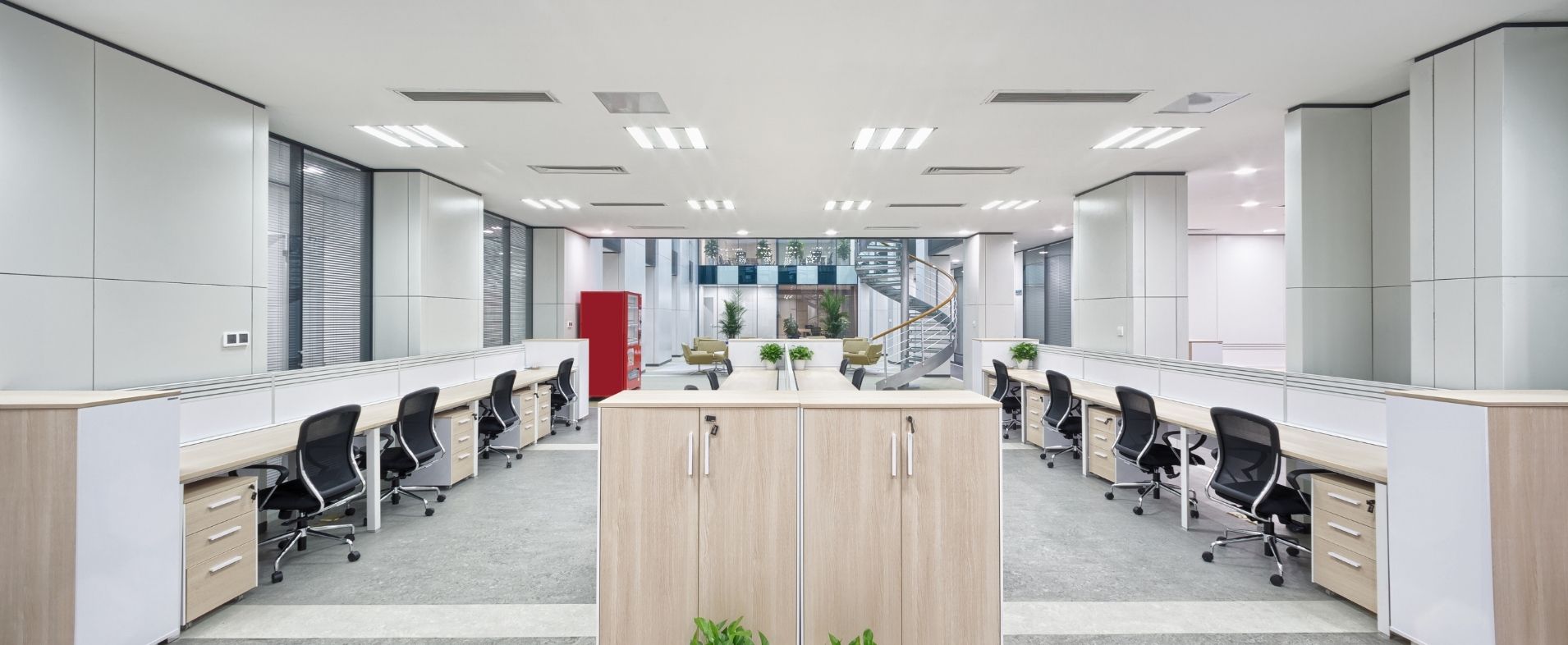
Open-plan offices are great for teamwork, but they come with a few acoustic headaches. The biggest one? Noise travels everywhere. Without walls to block sound, distractions are constant. This can lead to:
- Reduced focus and productivity
- Increased stress levels among employees
- Difficulty in holding private conversations
Another challenge is the lack of privacy. Employees might feel like they’re always being watched or overheard, which can affect their comfort and job satisfaction. Finding the right balance between open collaboration and individual focus is key.
Design Strategies For Effective Soundproofing
So, how do you actually soundproof office in an open-plan setting? It’s not just about slapping up some acoustic panels (though those help!). It’s about thinking strategically about the layout and materials you use.
- Zoning: Create different zones for different activities. Have a quiet zone for focused work, a collaboration zone for meetings, and a social zone for breaks.
- Acoustic Barriers: Use screens, partitions, or even tall plants to create visual and acoustic barriers between workstations. These don’t have to be solid walls, but they can help to absorb and block sound.
- Sound-Absorbing Materials: Incorporate soft materials like carpets, curtains, and upholstered furniture to soak up sound. Hard surfaces reflect sound, making the space echoey.
Consider the ceiling too! Acoustic ceiling tiles or suspended baffles can make a huge difference in reducing noise levels.
Best Practices For Implementation
Okay, you’ve got your design sorted. Now, how do you actually put it into practise? Here are a few best practises for implementing soundproofing in open-plan offices:
- Start with an Assessment: Before you start buying materials, assess the existing noise levels in your office. Identify the main sources of noise and where it’s most disruptive. This will help you target your soundproofing efforts.
- Prioritise High-Impact Areas: Focus on areas where noise is most problematic, such as near printers, coffee machines, or busy walkways. These are the areas where how to soundproof open-plan offices will have the biggest impact.
- Involve Employees: Get feedback from your employees about what’s working and what’s not. They’re the ones who are experiencing the noise firsthand, so their input is invaluable. You could even run a trial period with temporary soundproofing solutions to see what works best before making permanent changes.
Remember, effective soundproofing is an ongoing process. It’s not a one-time fix. You’ll need to monitor noise levels and make adjustments as needed to ensure that your office remains a productive and comfortable place to work.
Future Trends In Office Soundproofing
The world of office soundproofing is constantly evolving. What worked a few years ago might not be the best solution today. Let’s look at some of the exciting trends shaping the future of office acoustics. It’s not just about blocking noise anymore; it’s about creating spaces that actively support focus and wellbeing.
Innovative Technologies
We’re seeing some pretty cool tech enter the soundproofing space. Think active noise cancellation, similar to what you find in high-end headphones, but on a room-wide scale. These systems use microphones to detect unwanted noise and then generate opposing sound waves to cancel it out. Another area to watch is the development of smart materials that can adapt their acoustic properties based on the surrounding environment. Imagine walls that automatically adjust to absorb more sound when the office gets noisy! These technologies promise a future where office soundproofing is dynamic and responsive.
Sustainable Soundproofing Solutions
More and more businesses are looking for eco-friendly options, and soundproofing is no exception. There’s a growing demand for materials made from recycled content or renewable resources. Think acoustic panels made from recycled plastic bottles or insulation made from sheep’s wool. These sustainable solutions not only reduce noise but also help companies reduce their environmental footprint. Plus, many of these materials are just as effective, if not more so, than traditional options. It’s a win-win!
Here are some examples of sustainable materials:
- Recycled denim insulation
- Cork panels
- Hemp fibre acoustic boards
The Role Of Design In Acoustic Management
Soundproofing isn’t just about slapping some panels on the wall. It’s becoming an integral part of office design from the very beginning. Architects and designers are now considering acoustics as a key factor when planning layouts, choosing materials, and even selecting furniture. This holistic approach means creating spaces that look good and sound good. For example, incorporating natural elements like plants can help absorb sound and create a more calming environment. Good design considers how sound travels and interacts within a space, leading to more effective and aesthetically pleasing solutions. Acoustic design is now a key consideration in modern office builds.
As we look ahead, the way we soundproof offices is changing. New materials and smart designs are making it easier to keep noise out and create a peaceful workspace. If you want to learn more about the latest trends in office soundproofing, visit our website for helpful tips and ideas!
Final Thoughts on Office Soundproofing
In conclusion, investing in soundproofing for your office can really make a difference. It’s not just about cutting down noise; it’s about creating a better work environment. When employees can focus without distractions, their productivity tends to go up. Plus, a quieter space can lead to better mental health and overall well-being. Quash Soundproofing offers practical solutions that can fit into any office setup. So, if you’re looking to improve your workplace, consider soundproofing as a smart move. It’s a simple step that can lead to big benefits for everyone.
Frequently Asked Questions
Why is soundproofing important in an office?
Soundproofing is crucial because it helps reduce noise, which can distract employees and lower their focus. A quieter office allows workers to concentrate better and be more productive.
How does noise affect mental health?
Excessive noise can lead to stress and anxiety among employees. By reducing noise levels, soundproofing can help improve mental health and create a more pleasant work environment.
What are some common soundproofing materials?
Common materials used for soundproofing include acoustic panels, carpets, and soundproof curtains. These materials help absorb sound and reduce noise transmission.
Can soundproofing improve communication in the office?
Yes, soundproofing can enhance communication by reducing background noise. This makes it easier for employees to hear each other and collaborate effectively.
What are the benefits of soundproofing for businesses?
Soundproofing can lead to higher productivity, better employee satisfaction, and lower stress levels. This can ultimately improve the overall performance of the business.
How can I implement soundproofing in an open-plan office?
To soundproof an open-plan office, consider using acoustic panels, creating quiet zones, and arranging furniture to block noise. It’s important to design the space thoughtfully to minimise distractions.