
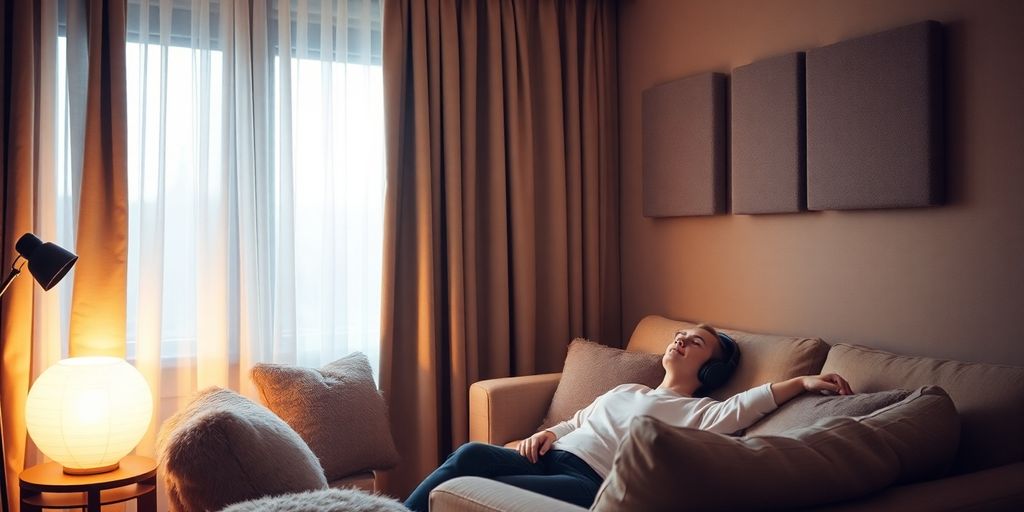

Dealing with noisy neighbours can be a real headache. Whether it’s loud music, barking dogs, or late-night parties, excessive noise can disrupt your peace and quiet. Luckily, there are effective noise reduction strategies and products available to help you regain control of your living environment. In this article, we’ll explore various techniques, practical solutions, and even legal options to tackle noise issues head-on.
Key Takeaways
- Acoustic insulation can significantly reduce unwanted noise from outside.
- Investing in soundproof materials like curtains and panels can enhance your home’s tranquillity.
- Identifying the source of noise is crucial in addressing the problem effectively.
- Creating a quiet space and using white noise machines can help mask disruptive sounds.
- Communicating with neighbours about noise levels can lead to a more harmonious living environment.
Understanding Noise Reduction Techniques
So, you’re at your wit’s end with the racket next door? Let’s get into the nitty-gritty of noise reduction techniques. It’s not just about blocking sound; it’s about understanding how sound travels and how to minimise its impact on your living space. There are a few different approaches you can take, and the best solution often involves a combination of methods.
Acoustic Insulation Solutions
Acoustic insulation is all about absorbing sound waves. Think of it like a sponge for noise. Instead of the sound bouncing around and amplifying, it gets trapped within the insulation material. This is particularly effective for airborne noise, like voices or music.
- Fibreglass batts are a common and relatively inexpensive option, often used in wall cavities.
- Rockwool is another popular choice, offering good thermal and acoustic properties.
- Acoustic foam, often seen in recording studios, is great for absorbing sound reflections within a room.
Soundproofing Materials
Soundproofing goes a step further than acoustic insulation. It aims to completely block sound transmission. This often involves adding mass and density to walls, floors, and ceilings. Soundproofing materials are designed to prevent sound waves from passing through them in the first place.
- Mass-loaded vinyl (MLV) is a dense, flexible material that can be added to existing walls to increase their sound-blocking capabilities.
- Soundproof plasterboard is thicker and denser than standard plasterboard, providing better sound insulation.
- Resilient channels can be used to decouple walls, preventing sound vibrations from travelling directly through the structure.
Damping Techniques
Damping focuses on reducing vibrations, which can then turn into noise. Think of a washing machine that vibrates excessively during the spin cycle – damping materials would help to absorb those vibrations. This is particularly useful for impact noise, like footsteps or slamming doors.
- Specialised damping compounds can be applied to surfaces to reduce vibrations.
- Acoustic underlay beneath flooring can help to absorb impact noise.
- Door and window seals can prevent vibrations from rattling glass and frames.
Choosing the right noise reduction technique depends on the type of noise you’re dealing with, your budget, and the construction of your home. It’s often a process of trial and error to find the most effective solution for your specific situation. Don’t be afraid to experiment and combine different methods to achieve the best results.
Identifying Common Noise Issues
Living in close proximity to others, whether in apartments or houses, often means dealing with unwanted noise. Understanding the common sources and the impact they have is the first step in finding effective solutions. Let’s explore some typical noise issues that can disrupt your peace and quiet.
Types of Noisy Neighbours
Noisy neighbours come in all shapes and sizes, and so do their noise habits. Some are simply unaware of how their activities affect those around them, while others might be less considerate. Here are a few common types:
- The Party Animals: These neighbours frequently host gatherings with loud music, boisterous conversations, and general merriment that extends late into the night.
- The DIY Enthusiasts: Always hammering, drilling, or sawing, these neighbours seem to be constantly renovating or building something. The noise can be particularly disruptive during weekends or early mornings.
- The Music Lovers: Whether it’s practising instruments, blasting music through speakers, or singing along to their favourite tunes, these neighbours can create a constant stream of unwanted sound.
- The Pet Owners: Barking dogs, meowing cats, or other noisy pets can be a significant source of disturbance, especially if the animals are left unattended for long periods.
- The Foot Traffic Crew: Heavy footsteps, running, or stomping can transmit through floors and walls, creating a constant thudding noise that’s hard to ignore.
Impact of Noise on Wellbeing
Constant exposure to noise isn’t just annoying; it can seriously affect your health and wellbeing. It’s important to recognise the signs of noise-induced stress and take steps to mitigate the impact. Here’s how noise can impact you:
- Sleep Disruption: Noise can make it difficult to fall asleep, stay asleep, or achieve deep, restful sleep. This can lead to fatigue, irritability, and reduced cognitive function.
- Stress and Anxiety: Constant noise can trigger the body’s stress response, leading to increased levels of cortisol and adrenaline. This can contribute to anxiety, tension, and even depression.
- Reduced Concentration: Noise can make it difficult to focus on tasks, whether you’re working from home, studying, or simply trying to relax. This can lead to decreased productivity and increased frustration.
- Physical Health Problems: Studies have linked long-term noise exposure to a range of physical health problems, including high blood pressure, heart disease, and weakened immune system.
Living in a noisy environment can feel like a constant battle. It’s important to acknowledge the impact noise has on your life and take proactive steps to create a more peaceful and healthy living space.
Common Sources of Residential Noise
Understanding where the noise is coming from is half the battle. Identifying the source helps you target your soundproofing efforts more effectively. Here are some common culprits in residential settings:
- Airborne Noise: This travels through the air, such as voices, music, TV sounds, and traffic noise. It often enters through windows, doors, and gaps in walls.
- Impact Noise: This is caused by direct contact with surfaces, such as footsteps, slamming doors, or furniture being moved. It travels through the structure of the building.
- Plumbing Noise: Water pipes can transmit noise when water is running, especially if the pipes are old or poorly insulated. This can include gurgling, banging, or hissing sounds.
- Appliances: Washing machines, dryers, dishwashers, and refrigerators can all generate noise, especially if they are old or not properly maintained. The vibrations can also travel through walls and floors.
- External Noise: Traffic, construction, and other outdoor activities can contribute to noise pollution, especially in urban areas. This noise can enter through windows, doors, and even the walls of your home.
Practical Soundproofing Products
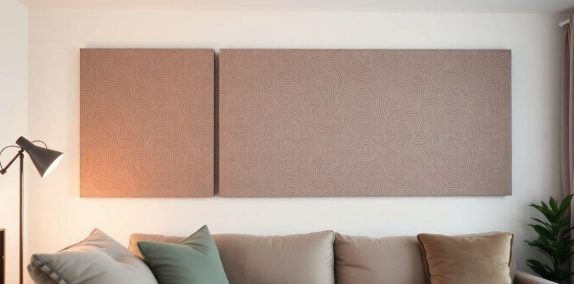
So, you’re looking at soundproofing solutions to tackle those noisy neighbours? You’re in the right place. Let’s explore some practical products that can make a real difference in your home. It’s not always about massive renovations; sometimes, the right product can do wonders.
Soundproof Curtains and Blinds
Soundproof curtains and blinds are a surprisingly effective and relatively easy way to reduce noise. These aren’t your average window coverings; they’re made with dense, heavy materials designed to absorb sound waves. Think of them as a thick, sound-absorbing barrier between your window and your room. They’re great for blocking out traffic noise or loud conversations. Plus, they add an extra layer of insulation, which can help with energy bills too. When considering effective soundproofing for apartments, these are a great start.
Acoustic Panels and Foam
Acoustic panels and foam are designed to absorb sound reflections within a room, reducing echo and reverberation. They’re particularly useful if you’re dealing with noise generated inside your own home, like from a home theatre or music room.
- Acoustic panels come in various shapes, sizes, and colours, so you can find something that fits your decor.
- Foam is often used in home studios or recording booths due to its excellent sound-absorbing properties.
- Placement is key – focus on walls and ceilings where sound is likely to bounce.
Sealing Gaps and Cracks
One of the most overlooked aspects of soundproofing is sealing gaps and cracks. Sound travels through even the smallest openings, so addressing these can make a significant difference.
Think about it: what’s the point of having soundproof curtains if there’s a huge gap under your door? Use weather stripping around doors and windows, and caulk to seal any cracks in walls or around pipes. It’s a simple and cost-effective way to improve your home’s sound insulation. If you’re wondering how to soundproof a room from outside noise, this is a critical step.
Effective Noise Reduction Strategies
So, you’re at your wit’s end with the racket next door? You’re not alone. Let’s look at some practical strategies to reclaim your peace and quiet. It’s about more than just blocking noise from loud neighbours; it’s about creating a sanctuary.
Creating a Quiet Space
The first step is to designate a specific area in your home as your quiet zone. This could be a bedroom, a study, or even a corner of the living room. Once you’ve chosen your space, focus on soundproofing it as much as possible. Think about:
- Adding thick rugs or carpets to absorb sound.
- Using heavy curtains or blinds to block noise from entering through windows.
- Rearranging furniture to create barriers against sound waves.
Creating a quiet space is not just about physical changes; it’s about creating a mental escape. It’s a place where you can relax, focus, and recharge without the constant intrusion of external noise.
Using White Noise Machines
White noise machines are fantastic for masking unwanted sounds. They work by generating a consistent, ambient sound that covers up distracting noises. Think of it like this: instead of focusing on the neighbour’s TV, your brain focuses on the steady hum of the white noise. There are different types of white noise machines available, including:
- Traditional white noise machines that produce a static-like sound.
- Sound machines that offer a variety of nature sounds, such as rain, ocean waves, or forest ambience.
- Apps for your phone or tablet that can generate white noise or other masking sounds.
Landscaping for Sound Barriers
If the noise is coming from outside, consider using landscaping to create natural sound barriers. This is a longer-term solution, but it can be surprisingly effective. Here’s how:
- Plant dense hedges or rows of trees along your property line to block noise from loud neighbours.
- Build a fence or wall to create a physical barrier against sound waves.
- Consider adding water features, such as fountains or ponds, as the sound of running water can help to mask unwanted noise.
Landscaping can not only reduce noise but also enhance the beauty and privacy of your property. It’s a win-win!
Professional Installation Options
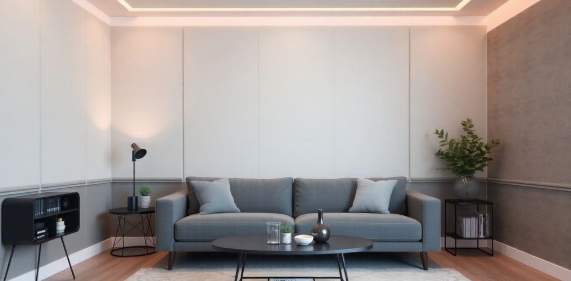
Sometimes, tackling soundproofing yourself can feel like wrestling a crocodile – possible, but probably best left to the pros. Knowing when to call in the experts can save you time, money, and a whole lot of frustration. Let’s look at when professional installation is the way to go.
Consulting with Soundproofing Experts
Before you even think about buying materials, consider a consultation. A soundproofing expert can assess your specific noise issues and recommend the most effective solutions. They’ll consider factors like the type of noise, the structure of your building, and your budget to create a tailored plan. This initial investment can prevent you from wasting money on products that don’t actually solve the problem. They can also conduct acoustic tests to pinpoint exactly where the sound is entering your home.
DIY vs Professional Services
So, should you DIY or hire a professional? Here’s a quick rundown:
- DIY: Cheaper upfront, requires time and effort, potential for mistakes, suitable for simple projects like sealing gaps.
- Professional: Higher initial cost, saves time and effort, guaranteed results, suitable for complex projects like installing soundproof walls.
- Consider the complexity: Simple fixes like curtains are DIY friendly. Major structural changes? Call a pro.
DIY can be tempting, but incorrect installation can render soundproofing materials useless. Professionals have the experience and tools to get the job done right, ensuring optimal performance.
Quash’s Installation Services
At Quash, we understand that soundproofing can be a daunting task. That’s why we offer professional installation services to take the stress out of the process. Our team of experienced installers will handle everything from start to finish, ensuring that your soundproofing materials are installed correctly and effectively. We’ll work with you to create a quiet and peaceful living environment, so you can finally say goodbye to noisy neighbours.
Legal Considerations for Noise Complaints
Understanding Local Noise Regulations
Navigating the world of noisy neighbours can be tricky, especially when it comes to the legal side of things. The first step is always to understand your local council’s noise regulations. These rules outline what’s considered acceptable noise levels at different times of the day. For example, what’s fine on a Saturday afternoon might be a no-go at 11 PM on a weeknight. These regulations vary widely from council to council, so it’s worth checking your local government’s website or giving them a call. Knowing these rules is your foundation for any further action.
Documenting Noise Issues
If you’re experiencing ongoing noise issues, documentation is key. Keep a detailed log of when the noise occurs, how loud it is, and how it affects you. This isn’t just about venting your frustrations; it’s about building a solid case if you need to take further action. Include dates, times, and specific descriptions of the noise. Photos or videos can also be helpful, especially if they capture the noise levels. The more evidence you have, the stronger your position will be.
Steps to Take When Filing a Complaint
So, you’ve got noisy neighbours, you know the rules, and you’ve documented everything. What’s next? Here’s a step-by-step approach to filing a complaint:
- Talk to your neighbours: Sometimes, a friendly conversation can resolve the issue. They might not even realise they’re causing a disturbance.
- Contact your landlord/strata: If you or your neighbours are renting or in a strata complex, report the issue to the landlord or strata management. They often have processes for dealing with noise complaints.
- Lodge a formal complaint with your local council: If the above steps don’t work, it’s time to get the council involved. Provide them with your documented evidence.
- Consider mediation: Mediation can be a less confrontational way to resolve disputes. A neutral third party helps facilitate a conversation between you and your neighbours.
- As a last resort, consider legal action: If all else fails, you might need to take legal action. This can be a costly and time-consuming process, so it’s best to seek legal advice first.
Dealing with noisy neighbours can be stressful, but understanding your legal rights and following the correct procedures can make the process smoother. Remember, communication and documentation are your best friends in these situations.
Maintaining a Peaceful Living Environment
It’s easy to focus on the technical aspects of soundproofing, but let’s not forget the human element. Creating a truly peaceful living environment involves more than just materials and installation; it’s about fostering a sense of community and mutual respect. How can you achieve that quiet haven you deserve without turning your home into a fortress or alienating your neighbours? Let’s explore some strategies.
Establishing Quiet Hours
One of the simplest, yet most effective, ways to reduce noise disputes is to establish clear quiet hours. This doesn’t mean demanding total silence, but rather setting reasonable expectations for noise levels during certain times, especially late at night and early in the morning.
Here’s how to approach it:
- Check local regulations: Many councils have guidelines on acceptable noise levels at different times of the day. Familiarise yourself with these.
- Communicate with your neighbours: Discuss what times would work best for everyone. A little compromise can go a long way.
- Be considerate yourself: Lead by example and respect the agreed-upon quiet hours. This sets a positive tone for the neighbourhood.
Communicating with Neighbours
Direct communication can often resolve noise issues before they escalate. Instead of resorting to passive-aggressive notes or formal complaints, try having a friendly chat with your neighbour.
Some tips for effective communication:
- Choose the right time and place: Approach them when you’re both relaxed and have time to talk.
- Be polite and respectful: Avoid accusatory language. Focus on how the noise is affecting you, rather than blaming them.
- Suggest solutions: Work together to find a compromise that works for both of you.
It’s easy to get frustrated, but remember that your neighbours may not even realise they’re causing a disturbance. A calm, respectful conversation can often clear up misunderstandings and lead to a positive resolution.
Creating a Noise Reduction Plan
Sometimes, despite your best efforts, external noise remains a problem. In these cases, developing a comprehensive noise reduction plan can help you regain control of your living environment. This plan should combine practical soundproofing measures with strategies for managing noise-related stress.
Consider these steps:
- Identify the sources of noise: Pinpoint exactly where the noise is coming from (e.g., traffic, neighbours, construction).
- Implement soundproofing solutions: Based on the noise sources, choose appropriate soundproofing materials and techniques (as discussed in previous sections).
- Create a relaxing indoor environment: Designate a quiet space in your home where you can retreat and unwind. Use calming colours, comfortable furniture, and noise-reducing decor.
By taking a proactive approach, you can create a more peaceful and enjoyable living environment for yourself and your neighbours. Remember, a little consideration and communication can go a long way in quashing those noise disruptions!
Creating a calm and happy home is important for everyone. To keep your space peaceful, try to reduce noise, tidy up regularly, and show kindness to those around you. Small actions can make a big difference! For more tips on how to create a serene living environment, visit our website today!
Wrapping Up: Finding Peace in Your Home
In conclusion, dealing with noisy neighbours can be a real headache, but there are ways to tackle the issue. From soundproofing products to simple DIY techniques, you have options that can help create a more peaceful living environment. Remember, it’s often about finding the right balance and being proactive. If you’re unsure where to start, consider reaching out to professionals like Quash for advice or a free quote. They can guide you through the best solutions tailored to your situation. Ultimately, a quieter home is within reach, and with a bit of effort, you can enjoy your space without the constant disruption of unwanted noise.
Frequently Asked Questions
What are some effective ways to soundproof my home against noisy neighbours?
You can use soundproof curtains, acoustic panels, and seal any gaps or cracks in your walls and windows to help reduce noise.
How can I identify the main sources of noise in my home?
Common sources of noise include loud music, barking dogs, or noisy appliances. Pay attention to when and where the noise is the loudest.
What are some good soundproofing materials I can use?
Some effective materials include mass-loaded vinyl, acoustic foam, and heavy drapes, which can help absorb sound.
Is it better to hire a professional for soundproofing, or can I do it myself?
It depends on your skills and the complexity of the project. Simple fixes can often be done yourself, but for larger projects, hiring a professional might be best.
What should I do if my neighbours won’t stop making noise?
Try talking to them politely about the issue. If that doesn’t work, you may need to check local noise regulations and consider filing a complaint.
How can I maintain a peaceful environment at home?
Establishing quiet hours, communicating openly with your neighbours, and creating a noise reduction plan can help keep your home peaceful.